Advanced Sailing Course in California
This advanced sailing course in California is designed for sailors ready to move beyond the basics—or for those ready to step directly into real offshore training from day one. Based in Southern California and exploring destinations like Catalina Island and Channel Islands National Park, this liveaboard program focuses on the skills required for safe and confident offshore cruising.
There are no prerequisites or required certifications. Every aspect of this program is built around real offshore experience, giving you the judgment, confidence, and hands-on ability required to operate a vessel beyond coastal waters and prepare for long-distance cruising.
Who Is This Advanced Sailing Course For?
This course is structured to meet you where you are. Whether you’re completely new to sailing or already have experience and want to expand your skills, training is tailored so you can progress quickly and effectively.
This approach works especially well for families and small groups. It’s common for one person to have prior sailing experience while others are completely new. We bring everyone up to speed, ensuring each crewmember gains the skills and confidence to actively participate and contribute on board.
It’s also ideal for couples or families where one person has the dream of blue water cruising or sailing around the world, and others are unsure what that lifestyle truly involves. This course gives everyone the opportunity to experience blue water cruising firsthand—living aboard, standing watch, managing systems, and working as a crew—before making a major, life-changing commitment.
Rather than investing heavily in purchasing and outfitting a vessel right away, this is a practical way to step into the lifestyle, understand it fully, and decide if it’s the right path forward.
If your goal is to move beyond basic sailing and truly understand what it takes to cruise offshore, this course is built for you.
What You Will Learn Aboard the Amel Super Maramu 2000
Training begins with onboard safety systems, including emergency procedures such as man overboard recovery, fire response, flooding control, and heavy weather protocols—including when and how to heave to—as well as the proper use of safety equipment. You’ll learn how to deploy a life raft, activate an EPIRB, and build a well-equipped first aid kit for offshore use.
You’ll develop a working knowledge of all major onboard systems, including electrical, plumbing, watermakers, solar power, and battery management. A strong emphasis is placed on preventative maintenance of engines, generators, and critical systems, along with what tools and spare parts you should carry to remain self-sufficient at sea.
The course also covers passage planning and weather forecasting, teaching you how to evaluate conditions and make informed decisions before and during a voyage.
You’ll stand both day and night watches, gaining hands-on experience with radar and AIS while developing disciplined watchstanding habits and strong situational awareness, including best practices for maintaining a proper watch at all times.
Additional training includes advanced anchoring techniques such as bow, stern, and storm anchoring, picking up moorings, and managing comfort at anchor using roll stabilizers.
You’ll also gain practical experience in safe dinghy operation, beach landings, and underwater hull cleaning techniques.
Provisioning is handled as a team, reinforcing the importance of preparation and efficiency during extended cruising. Throughout the course, the focus remains on teamwork, communication, and real responsibility on board.
California Waters as Your Offshore Classroom
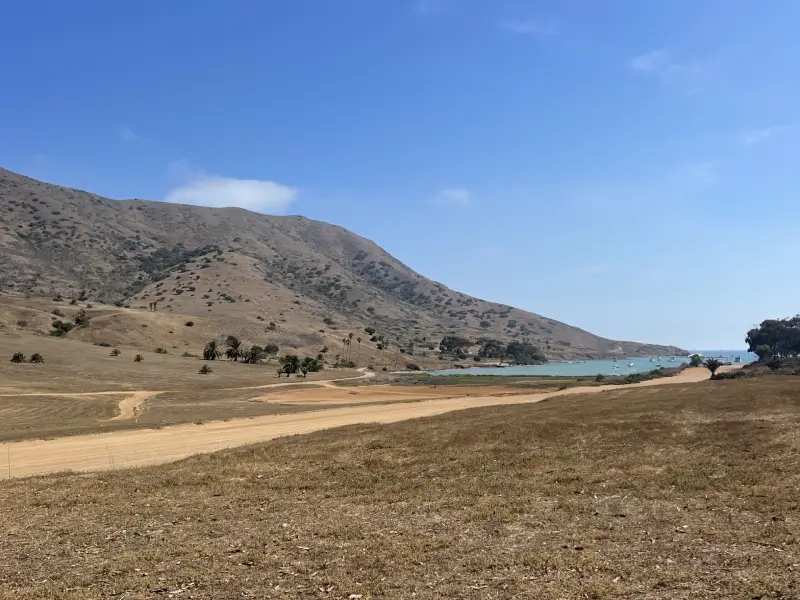
Southern California offers one of the most diverse and effective training environments for offshore sailing. The waters between the mainland, Catalina Island, and Channel Islands National Park provide a unique combination of conditions that allow you to experience real-world cruising challenges in a manageable setting.
It is the perfect proving ground for both your skills and the vessel before stepping into blue water cruising, ocean crossings, or even sailing around the world. The Channel Islands—including Santa Barbara Island—and Catalina Island expose you to a wide range of conditions, from strong winds to calm periods with little to no wind, allowing you to develop confidence in all scenarios.
You’ll experience both calm and rolly anchorages, with opportunities to practice stern anchoring and the use of roll stabilizers. Throughout the course, you’ll be actively using onboard systems—managing power, monitoring battery levels, operating watermakers, and understanding how everything works together while living aboard in a true cruising environment.
The region also allows for overnight passages and night watchstanding, along with real-world shipping traffic management due to the proximity of the Los Angeles and Long Beach harbor complex—one of the busiest port systems in the world.
Every essential skill and piece of knowledge required for offshore and long-distance cruising can be developed right here in the waters surrounding Catalina Island and Channel Islands National Park.
Why Train with One World Sailing Academy?
At One World Sailing Academy, the focus is simple: real blue water and offshore sailing training in world-class cruising grounds, aboard a true blue water cruising vessel—the Amel Super Maramu 2000.
This is an intensive, hands-on training experience designed to give you more than just basic skills. You’ll be fully immersed in the realities of offshore cruising, learning faster and in greater depth than traditional sailing programs.
Training takes place aboard a proven Amel Super Maramu 2000, a Category A blue water cruising yacht designed for long-distance passages and short-handed sailing. With all sail handling controlled from the cockpit and robust onboard systems, it provides the ideal platform to learn what it actually takes to cruise safely and comfortably offshore.
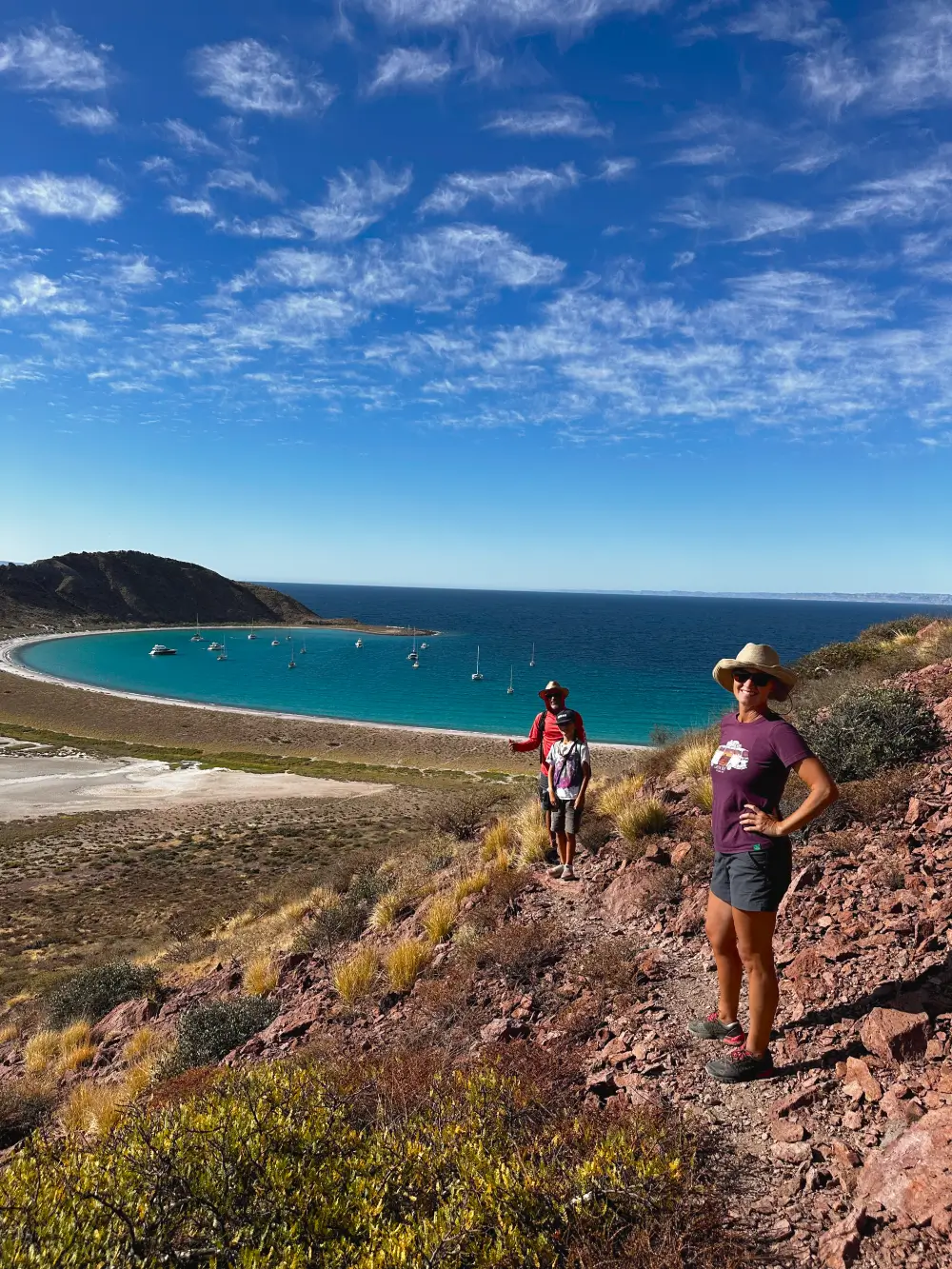
Our programs are structured as 3-day, 5-day, 7-day, and 10-day liveaboard trainings, giving you flexibility depending on your schedule and goals. Courses take place in some of the world’s best cruising grounds, including Catalina Island, Channel Islands National Park, the Baja coastline, the Sea of Cortez—particularly the southern Sea of Cortez—and mainland Mexico, with plans to expand into additional offshore destinations in the future.
If you look around, you’ll find very few programs offering this many opportunities for true offshore sailing. Most sailing schools are focused primarily on entry-level courses, while our focus is on preparing you for real cruising beyond the basics.
Group sizes are intentionally small—typically one to four guests—so every participant is actively involved. This approach works especially well for individuals, couples, and families, allowing everyone to progress quickly and build confidence as a crew.
There are no prerequisites, no certifications required, and no tests to pass. Whether you’re starting from the beginning or building on existing experience, training is tailored to your level. The goal is simple: to teach you as much as possible and prepare you for real offshore cruising.
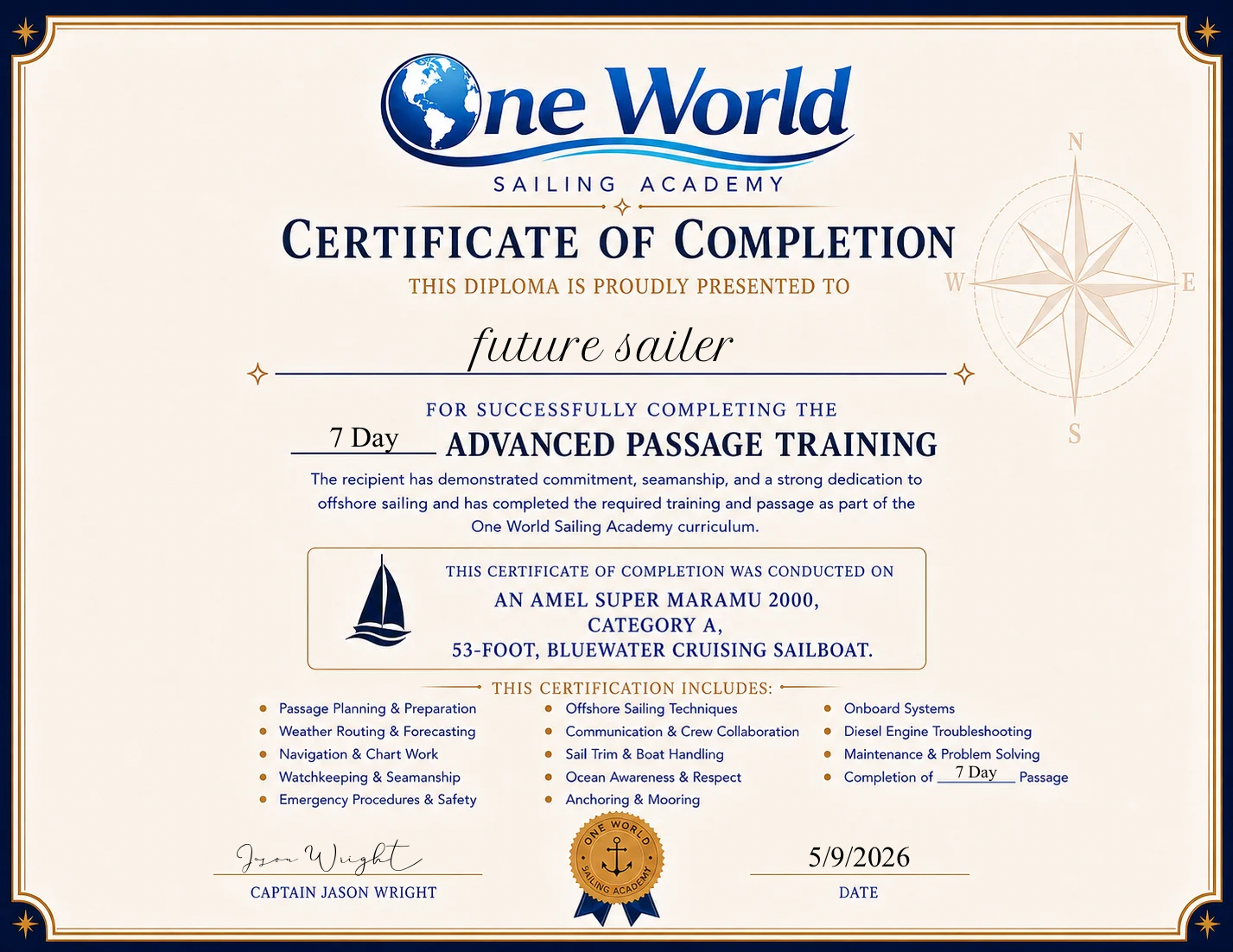
You’ll also receive a certificate of completion at the end of the course, reflecting the skills you’ve developed. This can be useful for insurance purposes, chartering, or simply as a record of your training and experience.
Finally, this level of training is offered at a price point that makes it accessible—delivering a high level of instruction and real offshore experience without the inflated costs often associated with traditional sailing schools.
If you’re serious about learning what it takes to cruise offshore, this is where that process begins.
One World Sailing Academy’s Flexible Approach
Every course is built around blue water cruising—not a fixed checklist followed by a test.
Group sizes are kept small, typically between one and four guests, allowing for a highly personalized experience. Whether you’re new to sailing or already have experience, training is adapted to your level.
We operate with flexible scheduling rather than rigid departure dates. If you know which program you’re interested in–3, 5, 7, or 10 days–and have a general timeframe in mind, we can often match you with a course or group that fits.
For example, during the summer, we can run a 3-day training to Catalina, return, then depart on a 5, 7, or 10-day trip throughout the Channel Islands, followed by another 3-day course. This flexibility gives you the opportunity to take the trip you want, in the program format that fits your goals.
Frequently Asked Questions About Our Sailing Courses
Sailing Experience & Skill Level
Do I need sailing experience to join your advanced sailing courses in California?
No. There are no prerequisites for any of our courses. Whether you’re completely new or already experienced, training is adapted to your level.
Are your offshore sailing courses suitable for experienced sailors?
Yes. Experienced sailors will benefit from deeper exposure to offshore cruising, onboard systems, passage planning, and decision-making in a real cruising environment.
Will I get hands-on experience in your liveaboard sailing programs?
Absolutely. This is a fully immersive, hands-on program. You’ll be actively involved in sailing, navigation, systems management, anchoring, and all aspects of operating the vessel.
How do you accommodate different skill levels in your sailing courses?
We keep groups small (1–4 guests) and tailor instruction individually. Everyone is brought up to speed and given meaningful responsibilities based on their ability.
Life Aboard a Blue Water Cruising Vessel
What is daily life like on a liveaboard sailing course?
Life aboard follows the natural rhythm of cruising—sailing, anchoring, standing watch, preparing meals, maintaining systems, and exploring when conditions allow.
Will I have my own space on board during the sailing course?
Space is shared, as on any cruising vessel, but accommodations are comfortable and designed for extended liveaboard use.
Do I need to help with tasks during the sailing trip?
Yes. This is a participatory experience. Everyone contributes to sailing, provisioning, cleaning, and general boat operations as part of the training.
How does provisioning work on your sailing courses?
Provisioning is handled as a group and is an important part of the cruising experience. We plan, shop, and prepare meals together.
Offshore Sailing Safety & Weather Conditions
Are offshore sailing courses safe?
Safety is a top priority. Training includes onboard safety systems, emergency procedures, weather awareness, and proper decision-making to minimize risk.
What happens if there is bad weather during the sailing course?
Trips are scheduled during favorable seasons, but weather is always a factor. Routes and plans are adjusted as needed—this is part of the training and learning process.
Will we sail in rough conditions during the course?
When appropriate and safe, you may experience a range of conditions. You’ll learn how to manage the vessel in both calm and more challenging environments.
What safety equipment is available on your blue water sailing vessel?
The vessel is fully equipped for offshore cruising, including life raft, EPIRB, safety gear, and redundant systems. You’ll also learn how to use all of it.
Sailing Programs, Locations & Scheduling
How many guests are on your sailing courses?
We take between one and four guests. Four is typically a family or a cohesive group.
Do you offer fixed dates for your sailing courses in California and Mexico?
No. We operate with flexible scheduling. If you have a timeframe and a program in mind, we can often match you with a trip that fits.
Where do your offshore sailing courses take place?
Southern California (Catalina and Channel Islands), Mexico’s Sea of Cortez, and mainland Mexico, depending on the program and season.
What course lengths do you offer for sailing training?
We offer 3-day, 5-day, 7-day, and 10-day liveaboard sailing programs.
Sailing Training, Certification & Skills
Do I receive a certificate after completing the sailing course?
Yes. You will earn a certificate of completion reflecting the skills you’ve learned. It can be used for insurance, chartering, or personal records.
Do you offer ASA certifications or other sailing certifications?
No. Our focus is on practical offshore cruising skills rather than standardized certification courses.
What skills will I learn in your offshore sailing training program?
You’ll learn navigation, weather forecasting, passage planning, onboard systems, anchoring, safety procedures, watchstanding, and overall vessel management in a blue water environment.
Preparing for Your Sailing Course
What should I bring on a liveaboard sailing trip?
Sun protection, comfortable clothing, swimwear, good hiking shoes, polarized sunglasses, and a positive attitude.
Are your sailing courses suitable for families?
Yes. Families are welcome, and our format works especially well for groups with mixed experience levels.
Can I join a sailing course as an individual?
Yes. Individuals can join and may be paired with others with similar goals and schedules.