
Family Sailing Course
At One World Sailing Academy, we are a family-run business, and that is a major part of who we are and how we teach.
I teach alongside my first mates Noah and Aiden, who are 18 and 19 years old and both have approximately 15 years of liveaboard and sailing experience. Like all sailors, they are still learning, as am I, and we continue adding to our skills and experience every year.
We have firsthand experience raising a family aboard a sailboat and living the cruising lifestyle together. Because of that, we are very passionate about helping other families move toward their own cruising goals.
In many ways, we would be perfectly happy if most of the people we taught were families. We genuinely enjoy helping parents and children learn together aboard the vessel.
That is one of the reasons we believe a family sailing course can be such a valuable experience. Families are able to learn together, solve problems together, and build confidence together in a completely immersive environment.
Our programs are intentionally structured as a small group family sailing course, allowing every family member to actively participate in sailing, navigation, anchoring, onboard systems, passage planning, and the day-to-day routines involved with cruising life.
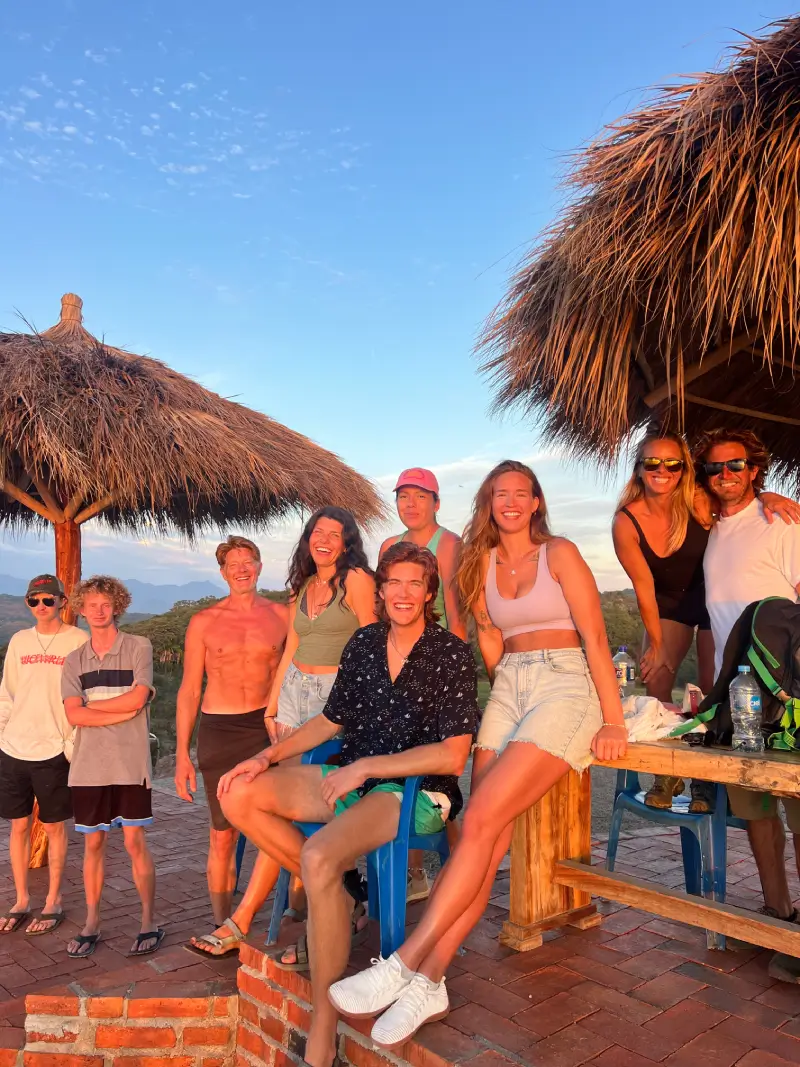
Throughout all of the cruising we have done over the years, we have become close friends with many other cruising families raising children aboard sailboats. It is incredible to watch these kids grow into highly capable and self-sufficient young sailors.
Many of these children become extremely comfortable operating dinghies, exploring anchorages, snorkeling, surfing, water skiing behind the dinghy, sailing small skiffs, and confidently moving around the marine environment from a very young age.
That is one of the reasons we believe a family liveaboard sailing course can be such an amazing experience for both parents and children.
Kids raised around boats and offshore cruising are constantly exposed to nature, weather, teamwork, responsibility, problem solving, and adventure. They experience different cultures, remote destinations, marine wildlife, and real-world situations that many children never have the opportunity to experience.
A family blue water sailing course is not simply about learning how to sail. It is also about learning how to function together as a crew, solve problems together, and build confidence together as a family unit.
For many parents, one of the biggest goals is finding a way to learn to sail as a family while exposing children to a more adventurous and experience-based lifestyle.
At One World Sailing Academy, when we conduct a family sailing course, we want every member of the family involved in the learning process, especially the children.
One of the most important things we have learned over the years is that kids often become highly capable sailors when they are given real responsibility aboard the vessel.
For example, when my youngest son Aiden was around eight or nine years old, I gave him the responsibility of trimming the mainsail on our Amel Super Maramu 2000. This concept was explained very simply. In many ways, the mainsail is one of the most important sails on the vessel because easing the mainsheet is often the fastest way to get yourself out of trouble in a situation where perhaps you are heeling too far or encounter a strong gust.
So I intentionally gave one of the most important jobs aboard the boat to the youngest crew member because I wanted him to take ownership of it and gain confidence from it. He took that responsibility seriously and has done a fantastic job as the mainsail trimmer aboard One World ever since.
That is a good example of how children can become deeply involved in sailing when families participate together in a family liveaboard sailing course or offshore family sailing course.
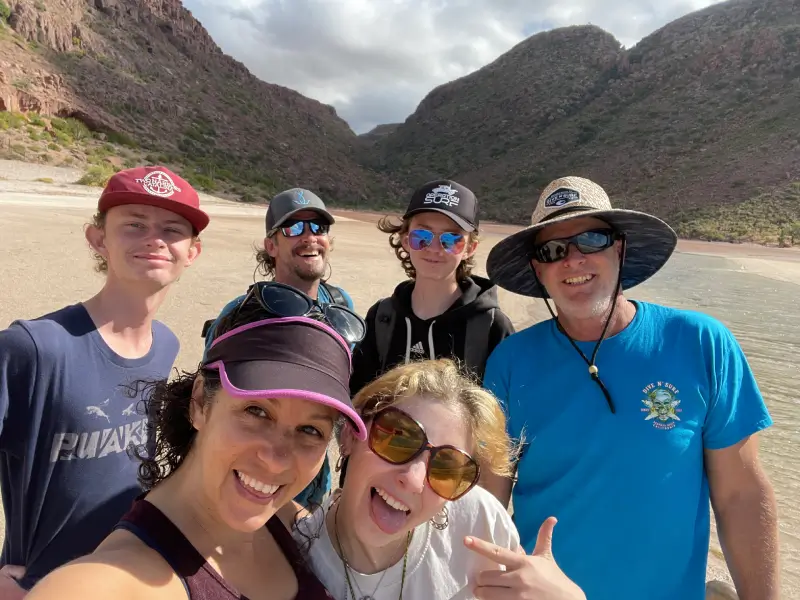
We also believe in assigning dedicated responsibilities to different family members whenever possible. Giving each person meaningful participation aboard the vessel helps build confidence, teamwork, accountability, and a stronger connection to the overall cruising experience.
It is natural for people aboard a cruising vessel to gravitate toward tasks they enjoy or perform well. However, it is also important that family members continue learning new and unfamiliar responsibilities so that their overall seamanship continues to grow.
One of the most rewarding parts of helping families learn to sail as a family is watching children realize they are capable of contributing in important ways aboard the boat.
Seeing the world through the eyes of children being raised on a sailboat is one of the most rewarding experiences there is. Kids often absorb skills much faster than people expect, especially when they are included as active participants instead of simply passengers aboard the vessel.
When my kids were young, I began giving them small watch-standing responsibilities for short periods of time. In the beginning, it might only be thirty minutes or one hour while I remained in the cockpit with them, helping guide them and teaching them what to watch for on the chart plotter, how to scan the horizon, observe changing weather, monitor vessel traffic, and maintain situational awareness.
As they became older and more experienced, those responsibilities naturally increased. Over time, the watches became longer, the responsibilities became greater, and eventually both of my sons became fully capable of standing four-hour offshore watches by themselves.
There is a very natural progression that happens when kids are gradually given responsibility aboard a vessel and encouraged to participate. Children often learn incredibly fast once they are simply given the opportunity.
That is why, during a family sailing course, we believe it is very important that children are not underutilized. When properly trained and encouraged, they are capable of becoming highly skilled and confident crew members.
One of the things we have observed over many years of cruising is that children raised aboard sailboats often develop into very capable, adaptable, and motivated young adults. We have personally met many cruising families whose children later went on to have very successful college careers and professional lives.
Part of that may come from the fact that cruising exposes children to so many different experiences, cultures, environments, responsibilities, and problem-solving situations from a young age. It also gives kids time and freedom to explore creativity, art, independence, and personal strengths they may never have discovered otherwise.
When we think about a family sailing course, honestly, we often think more about the rewarding lifestyle aspects than the technical sailing instruction itself.
Of course, the sailing skills, seamanship, onboard systems, and offshore knowledge are all very important parts of a family blue water sailing course or offshore family sailing course. But in many ways, those skills become tools that allow families to experience a completely different lifestyle together. Those seamanship skills also equip children with practical skills, confidence, responsibility, and problem-solving abilities that they can carry with them for the rest of their lives.
For us, the lifestyle itself is often the most rewarding aspect of this lifestyle